Spray Wash Solutions for Aerospace Components: Best Practices
Executive Summary
Overview: Cleaning high-stakes aerospace components using spray wash systems requires precision, tight chemical control, and strict adherence to material compatibility standards. Suboptimal bath ratios, excessive foaming, or dirty rinse water can cause costly part rejections, surface corrosion, and production delays in critical defense and commercial applications.
Key Takeaways:
- Chemistry & Foam Control: Always match cleaning chemistry to specific alloys (aluminum, steel, titanium, nickel) using low-foaming aqueous detergents like JAYCO JC 301SC or JC 401SC to prevent high-pressure foam overflow and nozzle blockages.
- Loading & Capacity Calibration: Avoid overloading baskets to ensure complete spray coverage and prevent part-on-part damage; regularly calibrate detergent concentration to handle soil loads without leaving residue.
- Rinse Purity & SOPs: Use Deionized (DI) or Reverse Osmosis (RO) rinse water, maintain strict bath purity monitoring, and enforce detailed Standard Operating Procedures (SOPs) for cycle times, temperatures, and drying stages to guarantee zero drag-over contamination.
The mechanical components of aircraft are some of the most high-stakes industrial parts to manufacture, clean, and assemble.
Because of the need for perfection, cleaning aerospace components requires a wash process that’s precise and reliable.
The Importance of Aerospace Cleanliness Standards
Each component of an aerospace machine is a critical one. One large chip or greasy fastener could be the difference between success and failure in an aerospace operation. Parts that can’t pass standard cleanliness inspections can delay entire equipment shipments or put a military mission in jeopardy.
Building a cleaning operation with the proper chemistries and equipment will ensure each part is spotless every time.
And the spray wash cabinet is one of the tools for the job.
→ If you have more complex geometries, a rotary basket washer may be necessary. Rotary basket washers combine ultrasonic cleaning with spray and rotation, ensuring that all surfaces of the part are exposed to the cleaning solution. This type of washer is ideal for intricate parts with blind holes or complex geometries, as the rotating action helps to dislodge contaminants from hard-to-reach areas. JAYCO formulates low-foam detergents specifically optimized for rotary basket cleaning systems such as JC 401SC.
Paired with the right solutions, the process of spray washing gets rids of hard-to-tackle contaminants including:
- Grease, lubricants, and oils
- Coolants and residues
- Metal chips and fines
- FPI penetrant fluid
- Dust and microscopic particulates
The Spray Washing Process At a Glance
An aerospace part cleaned through spray washing, will typically follow this process:
- Loading: Parts are placed into the spray wash cabinet machine using stainless steel baskets so they don’t bang together or damage each other.
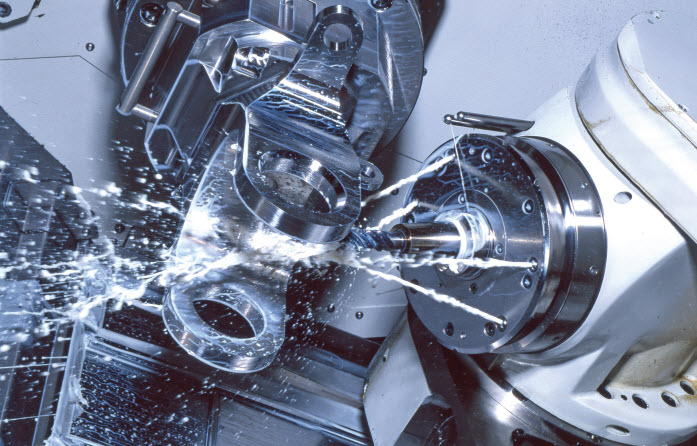
- Main Wash Cycle: The spray wash cabinet uses a combination of heat and aqueous detergent solutions to spray parts at high pressure blasting away oils, coolants, and other contaminants.
- Rinse Cycle: Parts are washed with deionized (DI) or reverse osmosis (RO) water to clear any residual contaminants or detergent.
- Drying: Intense air evaporates any remaining moisture and prevents corrosion.
Aerospace Spray Wash Solution Best Practices
Match Aerospace Materials with the Right Chemistries
Aerospace components are often metal, but the type of metal can vary significantly. When cleaning an aerospace component, make sure to first identify whether it’s aluminum, steel, titanium, a nickel alloy, a composite or something else. Ensuring that the cleaning chemistry is correct will prevent damage such as corrosion, etching, pitting, smutting, or degradation.
ASTM Standards are helpful for matching your aerospace component with the right cleaning chemistry so the integrity and longevity of the part can be preserved.
Properly Load Your Spray Wash Cabinet
Loading your spray wash cabinet the right way will save you from major headaches and frustration down the road.
Don’t load baskets to the brim. Trying to cram too many components into your machine will hurt your washing quality. Components may also get damaged if they come into contact with one another during the washing process.
There is a very specific chemistry to bath ratio when cleaning aerospace components. Trying to clean too many components in one wash cycle, with an insufficient amount of chemistry, jeopardizes the operation and may cause some parts to remain soiled. Even if parts are eventually cleaned, too many components may slow down your operation.
Running smaller loads will help components get the wash they need to pass critical inspections. Sides, tops, or bottoms of parts may be blocked from cleaning solutions when buried under other parts. Parts gain better exposure to cleaning chemistries when there is less crowding.
Choose Non- or Low-Foaming Detergent
The best detergents for spray washing are low-foaming chemistries.
The intense pressure of the spray can cause higher levels of foam which will overwhelm the machine. Too much foaming can obstruct spray nozzles, reducing the flow of detergent, decreasing visibility, and hindering the rinsing process.
Try a low-foaming chemistry like JC 301SC to minimize foaming issues while increasing efficiency and consistent cleaning.
Keep Your Detergent Levels Calibrated
Knowing how much detergent to use in your spray wash operations is critical for proper cleaning. Too much detergent will leave excess residue. Too little detergent won’t clean parts effectively. This is called the “capacity” of the cleaning chemistry. If the capacity is off balance, contamination may not be adequately dealt with.
If you are cleaning water-soluble oils (oil that is dissolved into the cleaning solution) from components, make sure to monitor your components for foam or water spots. These may indicate your detergent cannot handle the level of soiling.
Maintain Clean Rinse Water
The rinse cycle in aerospace component spray washing is just as important as the wash cycle. Cleaning with detergent dislodges the stubborn oils, greases, and coolants from the surface, but rinsing helps to flush all those contaminants away.
Rinse water should always be impeccably clean. Otherwise, you risk needing to rework the parts. Just a small amount of detergent in your rinse water will jeopardize the entire cleaning process. Dirty rinse water may also leave your components with surface stains, and leftover residue can also cause corrosion. Parts that are not fully rinsed are also in danger of rejecting coatings or treatments in the next phase of their manufacturing journey.
To keep your rinse water clean follow these steps:
- Your spray wash cabinet should be regularly cleaned to prevent contaminants from building up and entering the rinse cycle.
- Rinse water should be frequently checked for quality, purity, pH levels, and the presence of any non-desirable chemicals.
- Rinse water can be treated to ensure that it remains fresh and free of contaminants.
Establish a Standard Operating Procedure
Your cleaning team needs to be a well-oiled machine if your aerospace components are going to pass inspection. When changes to procedures are made without notification to all team members, there are ramifications for timelines and deliverables.
To avoid miscommunication and confusion, ensure that every member of the team understands their roles and responsibilities, as well as those of others. When changes to your standard operating procedure occur, alert all team members. The smallest change in workflow can create a lapse in process and spoil a batch of components, making expensive rework a necessity.
Stay on top of any changes made to the types of components being cleaned, the type of material they’re made from, and whether your spray wash machines are in need of maintenance. For each component type you are cleaning, there should be a cleaning procedure including temperature, correct chemistry, concentration, wash time, and dry time.
Work with JAYCO
Meeting aerospace industry standards for cleanliness requires a precise approach with the right chemistries and attention to detail. Non-foaming detergent, strict control over processes, and the power of spray wash technology help manufacturers safeguard part integrity and keep components moving on to their next operation.
For more help with your aerospace spray wash processes, reach out to our team at JAYCO.
SHARE THE KNOWLEDGE