JAYCO Citric Acid Passivation
Don't Settle for Unproductive Solutions
Ineffective medical and industrial cleaning chemicals affect your productivity and your bottom line. Reliable citric passivation chemicals allow you to meet strict standards while cutting down on processing time.
JAYCO’s citric acid passivation solutions are compatible with a wide array of industries. Our reduced use of hazardous and toxic substances protects your employees and get you the powerful results you need.
Get More from Your Citric Acid Passivation Chemistries
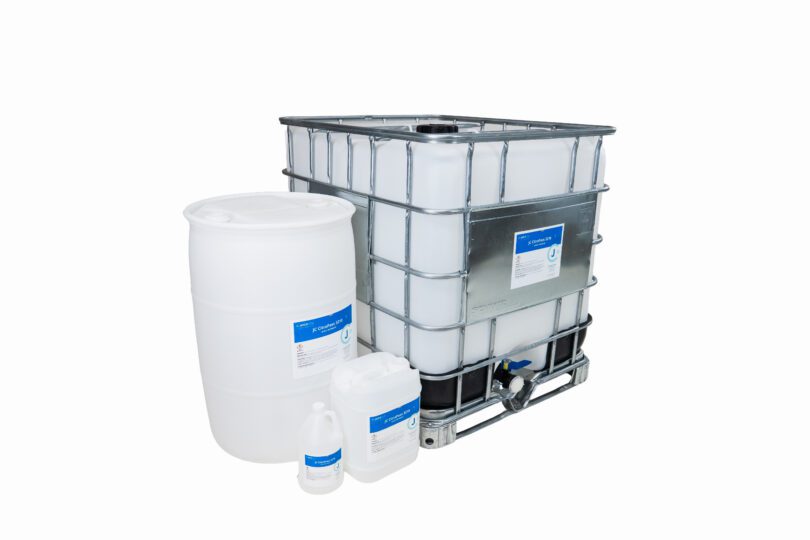
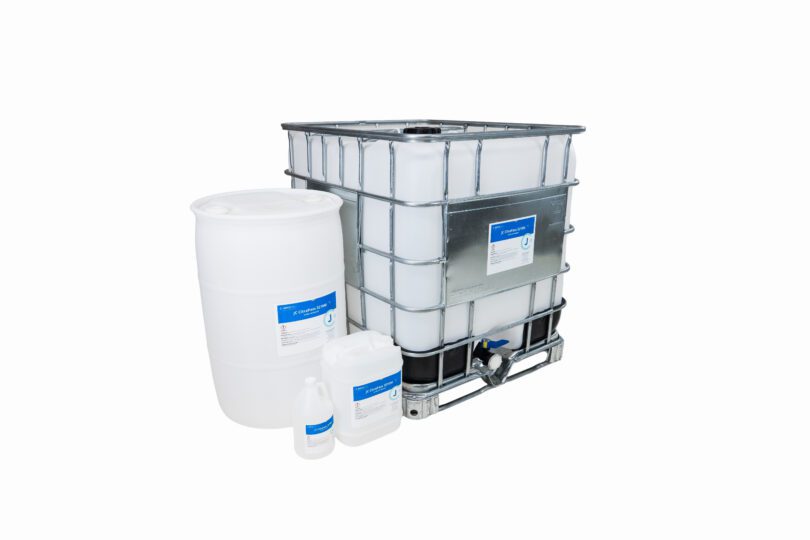
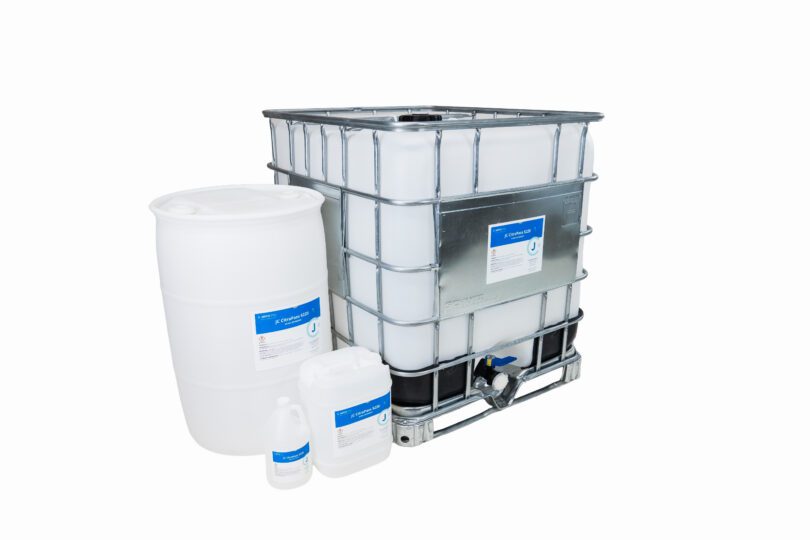
Explore JAYCO’s wide range of modern passivation formulations. Our products are designed to improve cycle times, rinse freely, and cavitate when used with ultrasonics. Get compatible, low foaming citric acid solutions for your spray wash application needs.
Choose JAYCO Citrapass Series over CitriSurf® for your various passivation applications.
JAYCO Citrapass Series will:
- Reduce passivation time
- Improve maximum depth of enrichment
- Reduce rinse-water consumption through improved rinsing techniques
- Optimally pair with ultrasonics
- Produce excellent chromium oxide ratios
- Passivate all SS alloys with a single product
Compare Nitric and Citric Passivation Systems
Discover the advantages of modern citric acid passivation solutions vs. nitric acid passivation. Enjoy better processing times & water usage for your stainless steel passivation with JAYCO products.
For industrial and commercial applications requiring long life, high corrosion resistance, and superb mechanical performance, stainless steel alloys are the materials of choice. These alloys derive their name from their high chromium and low carbon contents, making them very resistant to “staining” (thus, stainless) or corroding, even in aggressive environments.
In professional uses, stainless steels are most often supplied in austenitic alloy groups referred to as the 200 and 300 series. The 200 and 300 series are chromium-nickel alloys, non-magnetic, and often produced with advanced nitrogen-addition processes that further enhance their corrosion resistance. Most notably, alloy Types 304 and 316 make up the vast majority of stainless steel equipment, vessels, instruments, utensils, structures, and hardware used in hygienic and otherwise harsh conditions.
The chromium content within stainless steel materials naturally reacts with airborne oxygen in a very specific way. Chemically speaking, chromium is a reducing agent which reacts with oxygen (as an oxidizing agent) in ambient conditions, together producing chromium oxide molecules on the surface of the chromium-containing body:
Reaction formula 4Cr + 3O2 → 2Cr2O3
This chromium oxide film slowly develops without any other catalyst, and once complete, provides a fully unreactive or “passive” layer protecting the stainless steel material underneath. At only a few molecules in thickness and completely invisible to the naked eye, this passive layer inhibits contact between the stainless steel surface and foreign objects; especially those that tend to lead to corrosion, such as oxygen and moisture.
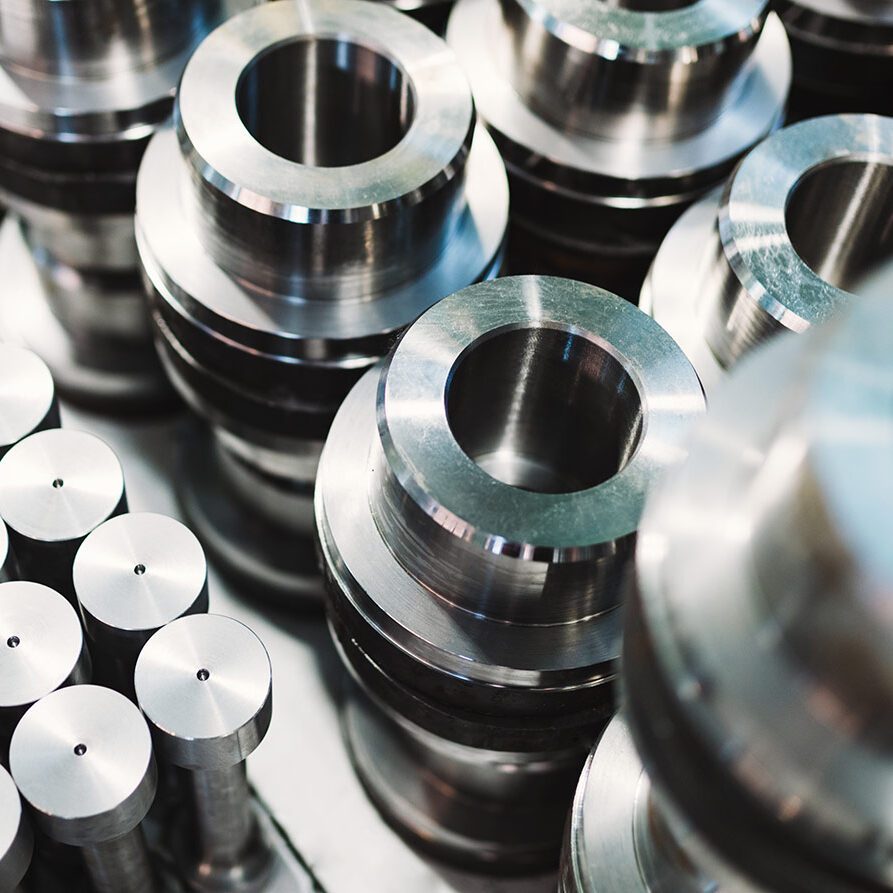
While it’s a wonder of natural chemistry in action, this chromium oxide passive layer is not free from practical concerns. The passivation process takes some time to occur naturally, and it’s nearly impossible to inspect and confirm that it has evenly developed at all. Additionally, normal fabrication processes, as well as everyday wear-and-tear, will destroy this passive layer anywhere that high physical force, heat, electrical current, certain chemical reactions, or abrasion may occur. For these reasons, intentional processes have been developed to spur generation of the passive layer on-demand, which we refer to as Chemical Passivation.
Industrial chemical passivation is performed in several steps:
- Alkaline Wash: A thorough washing process is performed on the stainless steel materials to be passivated, which strips away all contaminants on the materials whose presence would interrupt the even formation of a new passive layer. Washing removes all oil, grease, coolants, polishing compounds, and other foreign matter on the part, otherwise corrosion may continue to develop where these soils remain.
- Rinse: After washing, all residual trace chemicals are removed by rinsing the part in clean, neutral water. Water sources must be selected intentionally so as not to reintroduce any contaminants to the cleaned part.
- Acid Bath Passivation: The stainless steel part is now introduced into an acid bath where passivation will occur. The acid bath is made up of one or more chemicals (discussed below), diluted to a specific concentration, and often heated as well. The part is submerged in the bath for a set amount of time as the passivation process takes place.
- Rinse Again: Upon completion of the passivation bath, the part is removed and rinsed again. As with the initial rinse, this rinse must thoroughly remove all trace residues, and may include a separate chemical treatment step that aids in rinsing and neutralization. Water must be of high quality and have no more than 200 ppm maximum total solids.
- Dry: After final rinsing, the part is dried off by recirculated hot air with optional vacuum dry, completing the passivation process.
Upon completion of the passivation process, it is relatively certain that the stainless materials have formed an even, continuous chromium oxide passive layer across all surfaces.
Ensuring that the passive layer has formed can be difficult. Testing procedures do exist, however most passivation tests measure the presence of free iron on a stainless steel surface, and not the passive layer itself. Testing for free iron is rooted in the assumption that if excessive iron is present on an SS surface, the passive layer must be compromised and in need of replacement. Since in most cases we cannot practically inspect that the passive layer itself has formed, users typically rely on established procedures backed by standardized lab testing which strictly specifies the chemical type, chemical concentrations, temperatures, and amount of time used in the chemical passivation process.
Though most of the chemical passivation process is strictly controlled and standardized, there is serious debate over what specific chemical to use for the best overall results.
Select a Category
- All
- Industrial
- Medical
-
Modern Formulas
For high-stakes cleaning
-
Decades of Experience
With effective chemistry and state-of-the-art equipment
-
Trust JAYCO
Your team that gets the job done