-

JC 680B
Burnishing compound/Isotropic Superfinishing, Vibratory Tumbling
Steel burnishing compound with short term, built-in rust protection. Should be used after JC839L, in Step 2 of Accelerated Surface Finishing process.
- Steel burnishing compound
- Built-in short-term corrosion inhibitors
- Can be used in Step 2 of Accelerated Surface Finishing
process - Excellent lubricity for roll of media
- Biodegradable
- Diethanolamine free
Recent Blog Posts
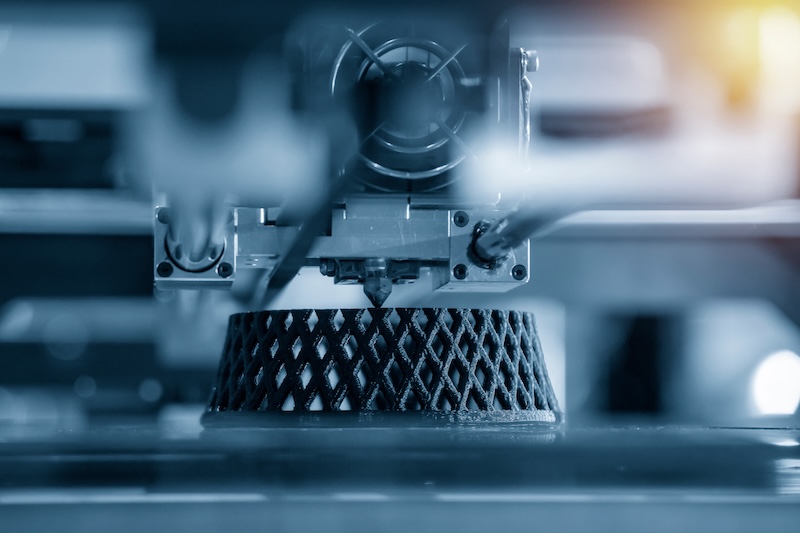
Overcome 3 Major Post-Processing Challenges of Additive Manufacturing
Additive manufacturing, often referred to as 3D printing, is a method that constructs physical objects from digital design files. Today’s computer-aided design (CAD) software can translate highly complex creations into a layer-by-layer framework, allowing 3D printing machines to build everything from custom prosthetic limbs and medical implants to critical aerospace components like lightweight copper rocket…
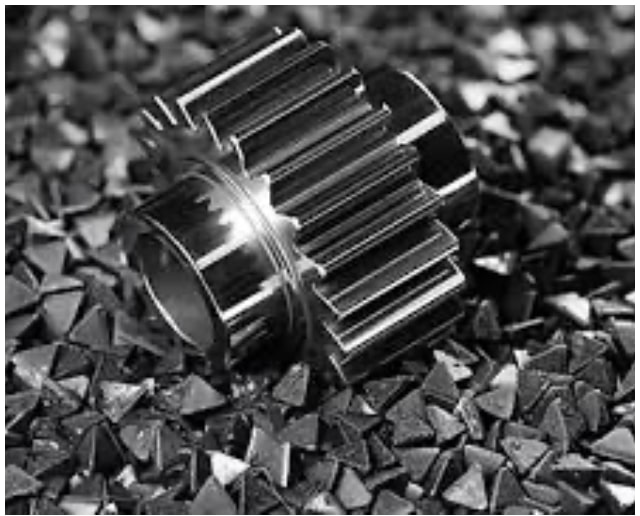
Vibratory vs Rotary Tumbler Chemistries: Which Is Best for You?
Are you looking to settle the debate between vibratory and rotary tumbler chemistries for your deburring and burnishing needs? Vibratory cleaning addresses tough challenges in a variety of industries, but rotary tumblers also have their benefits for specific applications. Let’s explore the chemistry at work, along with the rinsing and deburring processes of each, so…
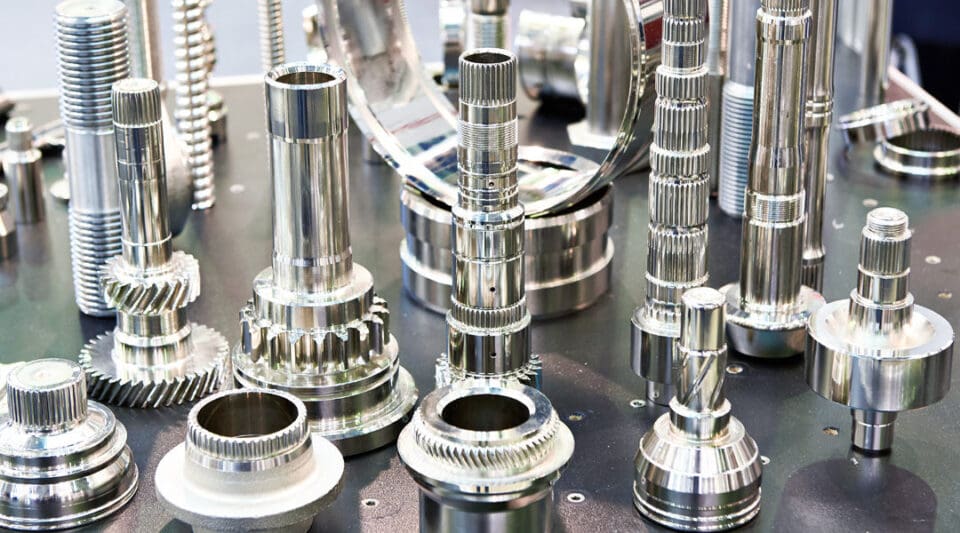
Isotropic Superfinishing – How To Achieve A Precision Finish Thru A Chemically Accelerated Surface Finishing Process
Quick Take Isotropic superfinishing is a chemically accelerated finishing process commonly used in aerospace, medical, defense, and automotive component manufacturing where surface finish is critical for proper operation and reliability. Superfinishing can typically achieve Ra values below 0.1 µm (4 µin), and in an optimized process can be reduced to as low as 0.025 µm…