Why AI Data Center Cooling Depends on Stainless Steel Passivation
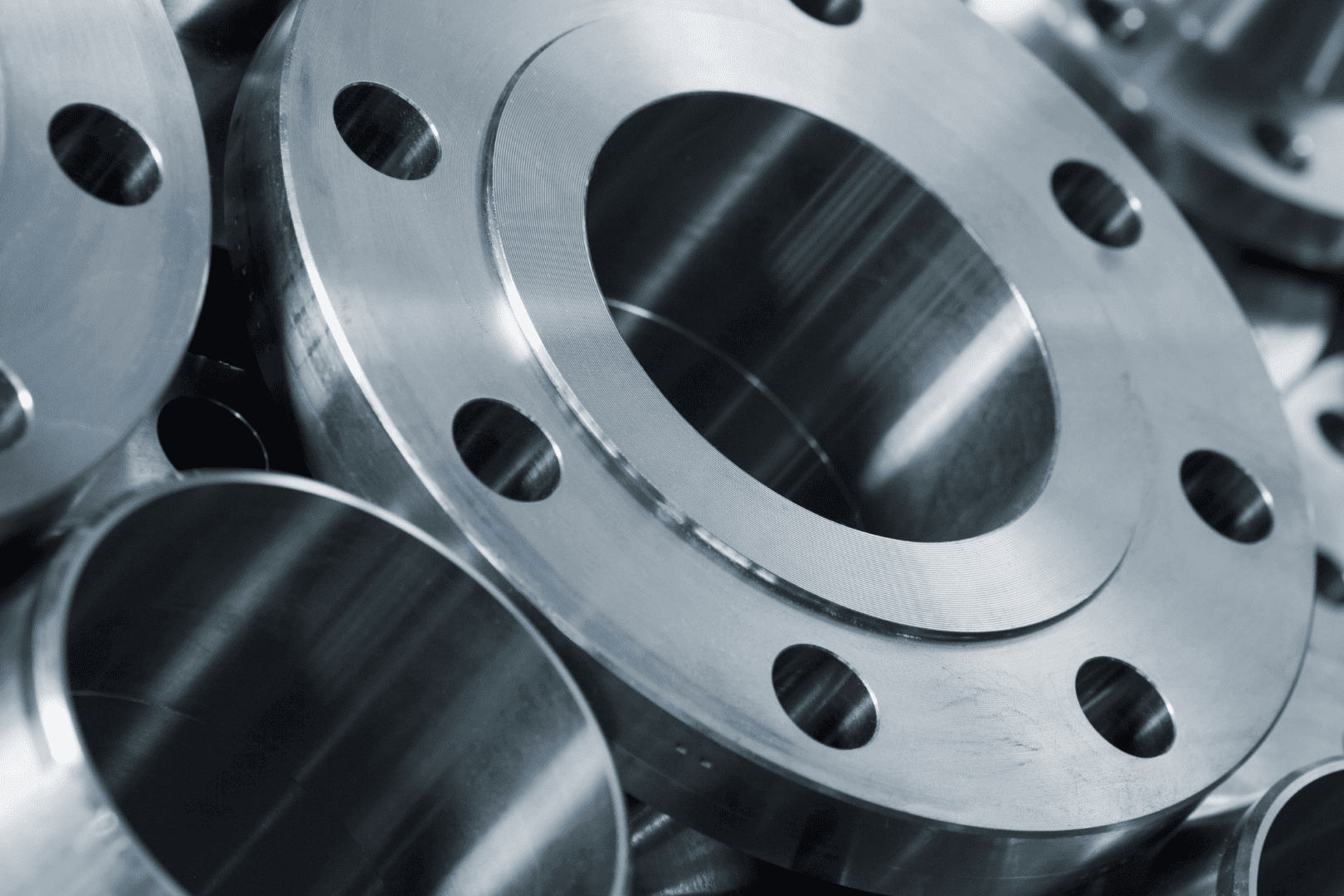
The use of artificial intelligence (AI) is exploding, and as it enters more workplaces, educational spaces, and personal devices, AI is becoming a household technology.
In order for AI software to operate at such a large and international scale, AI companies are building data centers to house servers across the country. The Midwest, particularly Ohio, has seen an AI data center construction boom.
These data centers need very particular conditions, however, to operate effectively. Before any AI data can be transmitted or stored, infrastructure must be built to perfection with the proper specifications and internal systems. One of the most important internal systems for the centers is closed-loop cooling systems. Because the use of traditional air conditioning won’t suffice, these liquid systems keep servers from overheating.
AI servers use Central Processing Units (CPUs) and Graphics Processing Units (GPUs), high-powered computer chips that store and transmit data. Closed-loop liquid cooling systems are the preferred systems to keep up with the intense heat generated from these processing units. Liquid cooling systems require thousands of feet of stainless steel tubing and piping to route cooling fluid to servers.
Stainless steel has become the common choice for data center cooling system infrastructure because it’s durable, relatively cost-effective, and a great conduit to facilitate the flow of liquid coolant. Tubing and piping for data centers are often constructed of 316 stainless steel or 304 stainless steel.
However, the continual contact of liquid and stainless steel is a common issue for manufacturers everywhere. If the internal metal of these liquid cooling systems is left unprotected, the repeated exposure to oxygen and moisture will eventually cause deterioration and corrosion.
When reliability is everything for AI software and small amounts of downtime are incredibly disruptive, preventing infrastructure issues like corrosion is critical.
This is where the essential process of stainless steel passivation can help.
Passivation is the process to remove free iron from the surface of stainless-steel alloys. This process exposes a chromium-rich layer that reacts with oxygen to form a protective layer, self-healing oxide film, maximizing corrosion resistance. If the free iron isn’t completely removed, the spots where it’s left can become corrosion sites that will grow over time.
At only a few molecules thick and invisible to the naked eye, this chromium oxide layer inhibits contact between the stainless steel surface and any foreign substance that could lead to corrosion, particularly oxygen and moisture.
Industrial chemical passivation is performed on a data center cooling system’s piping and tubing components using the following steps:
- Alkaline Wash: A thorough cleaning process using an alkaline solution strips away all contaminants (oil, grease, coolants, polishing compounds, and other foreign matter) from the stainless steel so the new passive layer can form evenly. The size of the stainless steel components will determine whether the alkaline wash can be done through immersion using JC 400C, or by the pumping of a fluid such as JC 401SC through components like conduit or piping.
- Rinsing: After washing, all residual trace chemicals are removed by rinsing the part in clean, neutral water. The correct water must be used to ensure that no new contaminants come in contact with the cleaned part.
- Acid Passivation: The stainless steel part is placed in an acid solution where passivation will occur. The acid bath will have a specific composition, concentration, temperature, and duration. Similarly to the alkaline wash, depending on the size of the parts, passivation can be done through an immersion bath using JC CitraPass 5220, or by pumping JC CitraPass 3210 through conduit or piping.
- Rinsing Again: When the passivation bath is complete, the part is removed and rinsed again to thoroughly remove all trace residues. The water must be of high quality and have no more than 200 ppm maximum total solids. More detailed specifications for the chemical passivation of stainless steel parts can be found through the ASTM A967 industry standards.
- Drying: After final rinsing, the part is dried using recirculated hot air or vacuum dried, completing the passivation process.
When done correctly, the passivation of AI data center cooling components should increase the longevity of the materials, reduce maintenance costs and system downtime, prevent corrosion, and improve long-term performance.
JAYCO is uniquely positioned to serve the data center boom with the exact solutions required to protect closed-loop cooling infrastructure made from stainless steel.
Don’t risk a multi-million-dollar AI data center shutdown by cutting corners on your piping and tubing passivation.
Get the solutions you need by calling JAYCO today.
SHARE THE KNOWLEDGE