
Brian Sutton
Executive Summary Overview: Aluminum is a versatile yet sensitive metal susceptible to etching, pitting, “smutting,” and cavitation erosion when exposed to harsh chemicals or improper ultrasonic frequencies. Choosing the correct cleaning chemistry and process is critical to preventing surface damage and costly part rejections in high-stakes industries like aerospace, medical device, and semiconductor manufacturing. Key…
Read More
Additive manufacturing, often referred to as 3D printing, is a method that constructs physical objects from digital design files. Today’s computer-aided design (CAD) software can translate highly complex creations into a layer-by-layer framework, allowing 3D printing machines to build everything from custom prosthetic limbs and medical implants to critical aerospace components like lightweight copper rocket…
Read More
In precision cleaning for manufacturing, maintaining the efficiency of parts and equipment is crucial for overall operational success. Both new equipment and old cleaning systems can experience scale buildup, either from manufacturing residue or years of use. If left untreated, scale buildup will eventually shut down a machine or prevent a part from working properly. …
Read More
The use of artificial intelligence (AI) is exploding, and as it enters more workplaces, educational spaces, and personal devices, AI is becoming a household technology. In order for AI software to operate at such a large and international scale, AI companies are building data centers to house servers across the country. The Midwest, particularly Ohio,…
Read More
Are you comparing the pros and cons of alkaline cleaning to acidic cleaning? At Jayco Chemical Solutions, our industrial cleaner and degreaser options, as well as our inventory of alkaline cleaners, give you lots of chemistries to choose from. Take a moment to think back to chemistry class. You probably remember spending an extended amount…
Read More
Are you looking to settle the debate between vibratory and rotary tumbler chemistries for your deburring and burnishing needs? Vibratory cleaning addresses tough challenges in a variety of industries, but rotary tumblers also have their benefits for specific applications. Let’s explore the chemistry at work, along with the rinsing and deburring processes of each, so…
Read More
What is AMS 2700? In aerospace manufacturing, a microscopic surface defect can lead to catastrophic failure. Whether you’re using steel parts for planes, rockets, or something in between, keeping stainless steel parts up to code is vital in this high-stakes industry. AMS 2700 (Aerospace Material Specification) is the gold standard for this essential process. Maintained…
Read More
ASTM A967: Standards for Stainless Steel Passivation Stainless steel is one of the most common materials in the world. It’s found in homes, it’s used in workplaces, and it supports major infrastructure all over the world. But allowing corroded or rusted stainless steel parts into your assembly line can be catastrophic. Even the smallest compromised…
Read More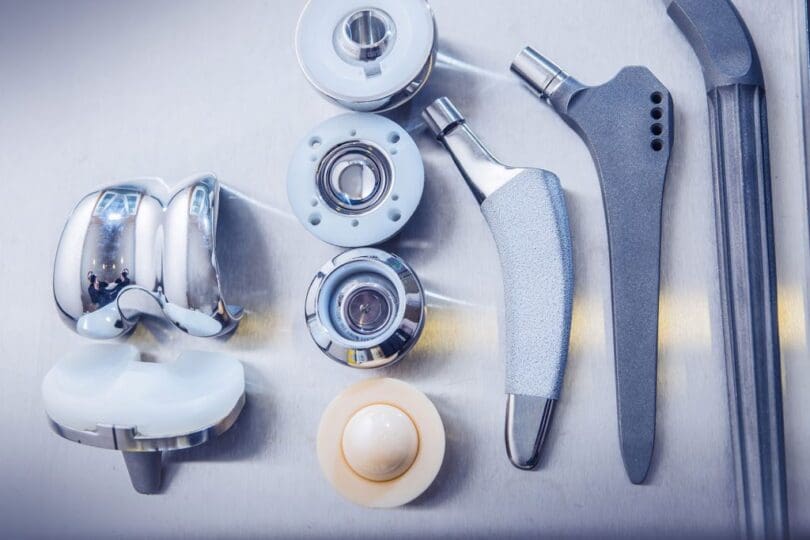
Medical device and implant makers are feeling the squeeze when it comes to parts cleaning. OEM specs, global standards, and environmental rules keep tightening—while geometries get smaller and materials more diverse. If your washer, passivation tank, or chemistry recipe hasn’t changed in a few years, you may already be behind. Below are the six emerging…
Read More
In the aerospace industry, meeting stringent cleanliness standards is crucial for ensuring component reliability and performance. A well-formulated aqueous alkaline spray wash chemistry is essential for effectively removing tough contaminants such as grease, oils, BOE lube, Krytox, and fluorescent penetrant inspection (FPI) residues. If not properly removed, these residues can compromise the structural integrity, surface…
Read More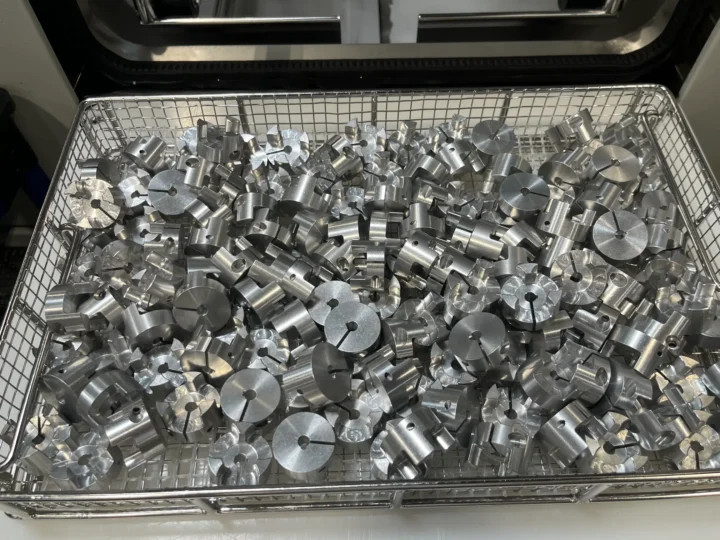
Aluminum is a popular material in industries like aerospace, automotive, and medical due to its lightweight and durable nature. However, cleaning aluminum parts can be tricky. Ultrasonic cleaners have emerged as an effective, non-abrasive solution for maintaining the integrity of aluminum surfaces. In this guide, we’ll cover everything you need to know about ultrasonic cleaner…
Read More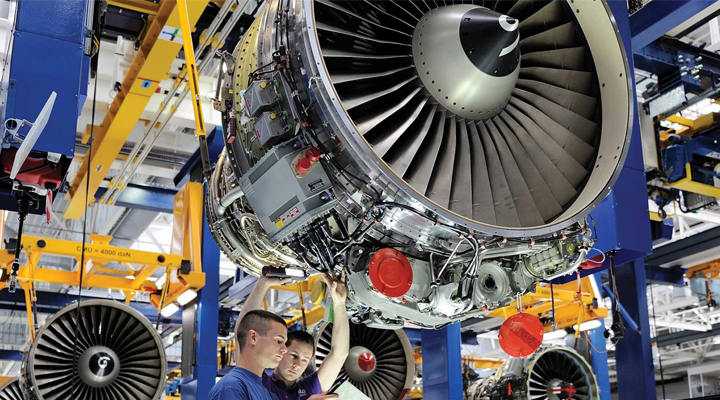
Maintaining cleanliness in aerospace and aviation parts is crucial for safety, performance, and regulatory compliance. This article provides an in-depth look at effective cleaning methods, from ultrasonic cleaners to spray washers, ensuring your aircraft components meet the highest standards. Learn how proper cleaning can optimize aircraft reliability and precision while exploring JAYCO’s aerospace-approved solutions that…
Read More
Ultrasonic cleaning has become an essential part of many industries, from automotive to medical. By using sound waves to create cavitation bubbles, ultrasonic cleaners can remove contaminants from intricate and hard-to-reach areas, providing a deep clean that’s difficult to achieve with other methods. However, the effectiveness of an cleaning process doesn’t just depend on the…
Read More
Insights R+W America faced significant issues with part discoloration during the cleaning process, risking the perceived quality of their precision couplings. Jayco’s JC 201C chemistry resolved those issues by eliminating streaks and burn marks, leading to brighter, more consistent parts without sacrificing cleaning effectiveness. Introduction R+W America is located in West Chicago, IL. Originally founded…
Read More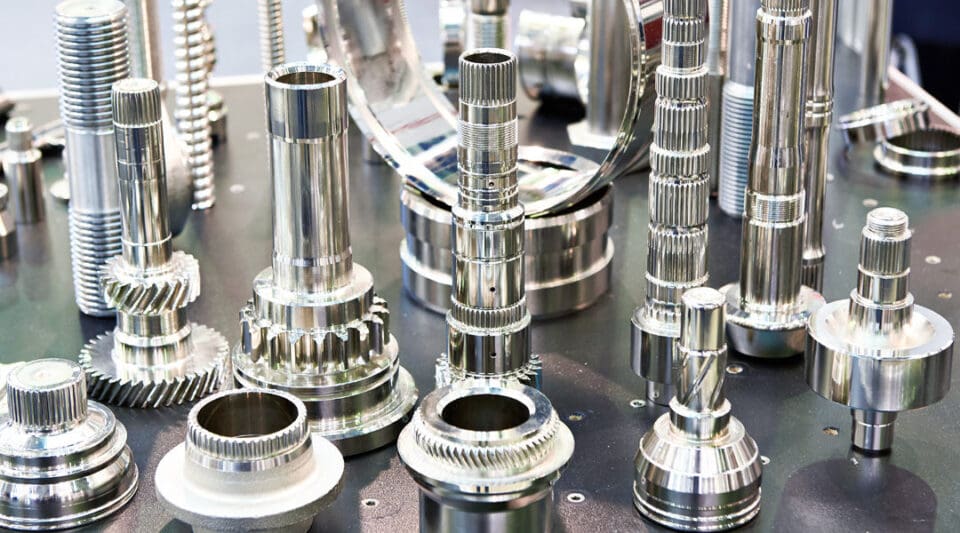
Quick Take Isotropic superfinishing is a chemically accelerated finishing process commonly used in aerospace, medical, defense, and automotive component manufacturing where surface finish is critical for proper operation and reliability. Superfinishing can typically achieve Ra values below 0.1 µm (4 µin), and in an optimized process can be reduced to as low as 0.025 µm…
Read More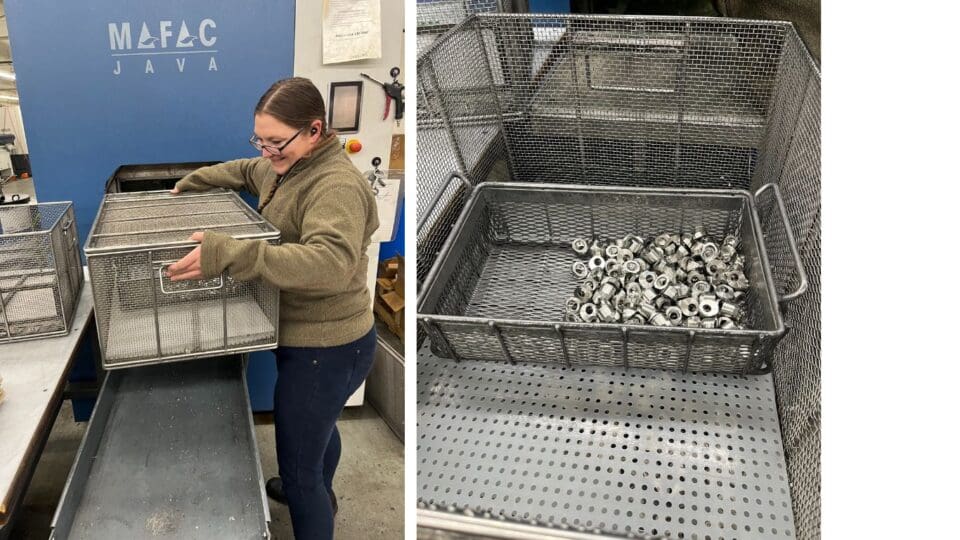
Insights M&M Precision Machining won a 250k part per week contract by investing in a new automated parts cleaning process replacing their antiquated manual one. The challenge was the part required a 0.020” hole to be free of oil and debris. Jayco’s HybridClean™ JC 301SC aqueous detergent in the Jayco MAFAC rotary basket washer with…
Read More
Replacing an open-top vapor degreasing process with an aqueous solution is not only an environmentally responsible choice but also a necessity considering the increased scrutiny placed by the US EPA on solvents like nPB (n-Propyl Bromide), TCE (Trichloroethylene), and Perc (Perchloroethylene). These solvents have been determined to pose an unreasonable risk to human health and the…
Read More
The two-step Accelerated Surface Finishing (ASF) process is a specialized surface treatment method used in manufacturing industries to achieve high-quality surface finishes on a variety of parts and components. This process involves the sequential use of JAYCO Chemical Solutions JC 840L as Step 1 and JAYCO Chemical Solutions JC 680B as Step 2, each offering…
Read More
The 2-step accelerated surface finishing process is a manufacturing technique that is commonly used to improve the surface quality of metal substrates, particularly steel. This process involves two sequential steps that work together to achieve the desired surface finish. Step 1: In the first step, the metal substrate is treated with a blend of mildly…
Read More
In the tumbling-vibratory bowl process, the choice of a suitable compound or solution can significantly impact the effectiveness and outcomes of the surface finishing. One such compound that enhances the process is the neutral pH JAYCO Chemical Solutions JC 880R, a diethanolamine-free compound that’s contaminent-free. The Benefits of Using a Diethanolamine-Free Compound The selection of…
Read More
What chemicals can you use in a vibratory tumbler? Discover insights from our chemistry experts at JAYCO Chemical Solutions.
Read More
Want to know how ultrasonic cleaner liquid works? Discover insights behind the process from our experts at JAYCO Chemical Solutions.
Read More
Looking for passivation cleaning? Find out why the citric option is better than nitric passivation cleaning here.
Read More
Looking for citric passivation benefits? Our expert chemists break down the numerous pros of using a citric passivation cleaning solution.
Read More
JAYCO Chemical Solutions helps you understand the key differences between citric passivation vs nitric passivation.
Read More
Discover the right amount of precision cleaning solution you should have on inventory for buying with this step-by-step process.
Read More
An introduction to ultrasonic cleaning chemicals for manufacturers. The right approach to clean even sensitive, small or enclosed objects
Read More
To improve your operations’ throughput, removal of buffing compounds is imperative. So what makes a buffing compound remover effective?
Read More